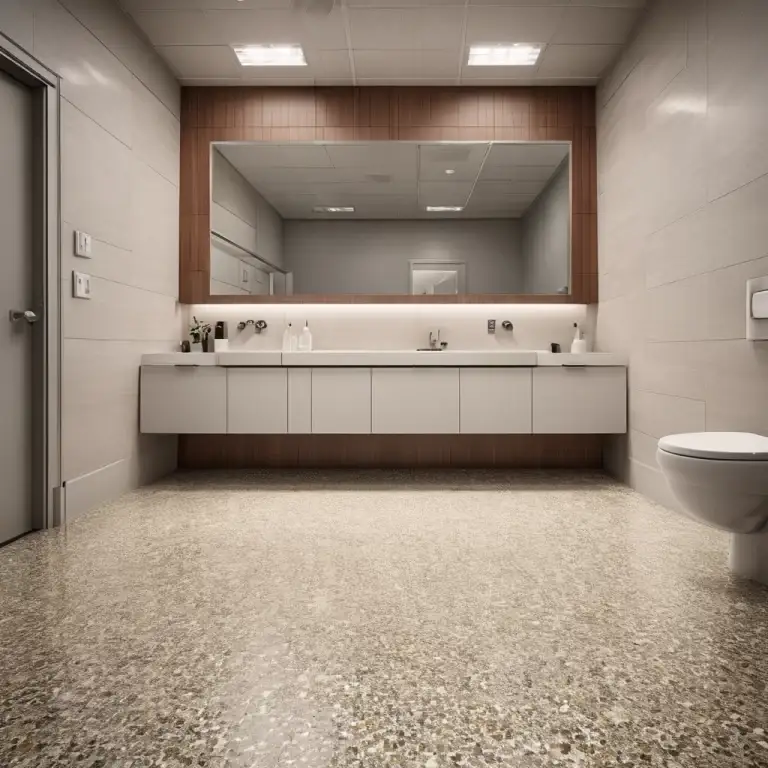
When it comes to running a busy kitchen, whether in a restaurant, hotel, or catering facility, every detail matters. From the tools chefs use to the hygiene standards maintained, the right environment can make or break the efficiency of your operations. One aspect that often goes overlooked—but is crucial—is the flooring. The right floor can enhance safety, durability, and even aesthetics, making your workspace not only functional but also welcoming.
Why Choose Commercial Kitchen Epoxy Flooring for Your Business?
Choosing the right flooring material for a commercial kitchen isn’t just about looks; it’s about performance. Commercial kitchen epoxy flooring has emerged as a top choice for businesses that require a combination of durability, hygiene, and easy maintenance. Epoxy floors are created by applying multiple layers of resin and hardeners that form a rigid, glossy surface.
- One of the biggest advantages is their resistance to heavy traffic and impact. Kitchens are high-intensity environments with constant foot traffic, rolling carts, and potential spills. Epoxy can withstand these conditions without cracking or deteriorating over time.
Additionally, these floors are non-porous, which means they do not harbour bacteria or Mold, making them ideal for spaces where hygiene is non-negotiable. Cleaning becomes simple, often requiring just a mop and mild detergent, saving both time and money.
Installation and Maintenance Tips for Epoxy Flooring
Installing epoxy flooring requires precision, but the results are well worth it. Preparation is key: the existing surface must be clean, smooth, and free from cracks. Professional installers often use primers and sealants to ensure maximum adhesion and longevity.
Once installed, maintenance is minimal compared to traditional flooring options. Unlike tiles that require grouting or vinyl that can peel, epoxy is seamless. A few tips can prolong its lifespan:
- Regularly clean spills immediately to prevent staining.
- Avoid abrasive cleaning tools that could scratch the surface.
- Apply a protective topcoat every few years to maintain the shine and durability.
These small steps ensure that your commercial kitchen flooring remains pristine, safe, and functional for years.

Key Benefits of Commercial Kitchen Epoxy Flooring
Beyond its durability and hygiene benefits, epoxy flooring offers aesthetic versatility. Available in a variety of colors, textures, and finishes, it allows business owners to match their kitchen’s style while maintaining a professional appearance.
- Another remarkable feature is its chemical resistance, which is especially important in kitchens where acids, oils, and cleaning agents are commonly used. This resistance prevents staining and extends the life of the floor significantly.
Moreover, epoxy floors can improve safety by incorporating non-slip additives. This feature is critical in commercial kitchens, where wet or greasy surfaces pose a risk to staff. By reducing slip hazards, you’re not only protecting employees but also minimizing potential liabilities.
Conclusion: Investing in Your Kitchen’s Foundation
Selecting the right flooring is more than a design choice; it’s a strategic investment in your kitchen’s efficiency and safety. Commercial kitchen epoxy flooring provides a winning combination of durability, hygiene, safety, and aesthetic appeal, making it a smart choice for any professional kitchen.
When done right, epoxy flooring transforms your kitchen into a high-performing, visually appealing environment that meets the demands of modern culinary operations. It’s a small investment for a substantial return in both functionality and peace of mind, ensuring your business operates smoothly day in and day out.
