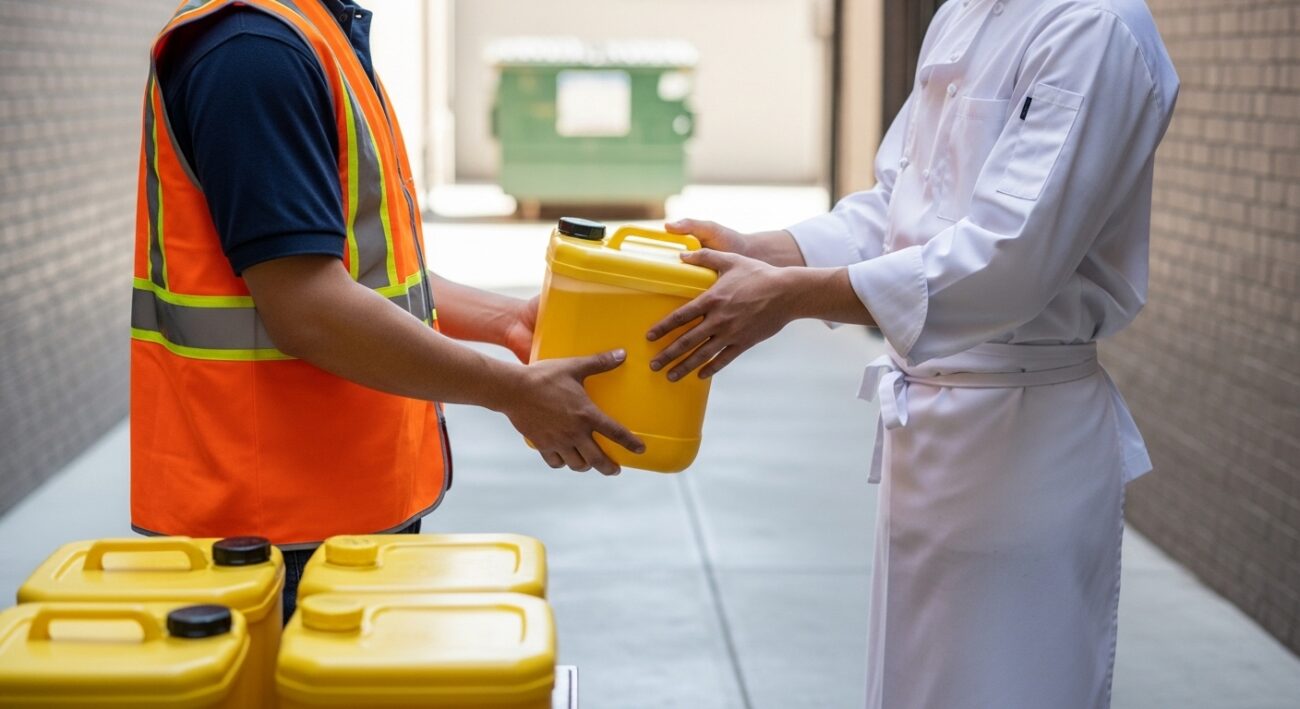
Restaurants handle it by storing spent oil in a sealed container and scheduling regular used cooking oil disposal through a licensed collector, rather than pouring it down a drain. A collector picks up the oil, tests it, and routes it to facilities that turn it into biodiesel or animal feed ingredients. Done right, it costs a kitchen nothing.
Why This Isn’t Just a Chore
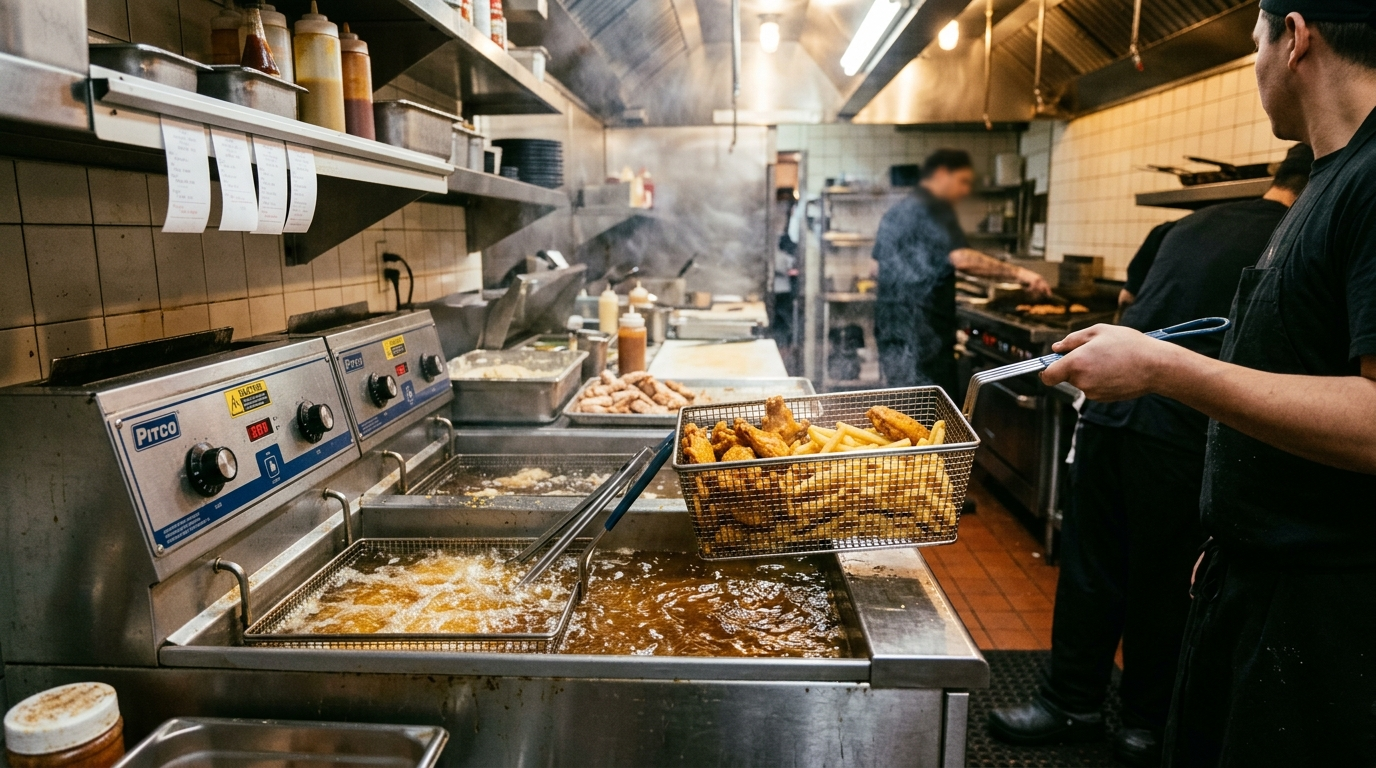
Most kitchen managers I’ve talked with in coastal North Carolina didn’t think much about their fryer oil until something went wrong. A clogged floor drain. A citation from the local health inspector. A neighbor complained about a smell drifting out of the back door. That’s usually when cooking oil disposal stops being an afterthought and becomes a real operational question.
It shouldn’t take a plumbing bill to get there.
Grease that goes down a drain doesn’t just disappear. It cools, solidifies, and clings to the inside of pipes. The Cape Fear Public Utility Authority, like most municipal water systems, tracks sewer backups caused by fats, oils, and grease, and restaurants are consistently named as a leading source. A single overflow event can mean fines, an emergency plumber at 11 p.m., and a temporary shutdown while the mess gets sorted out.
What Actually Happens During Collection
Used cooking oil collection is more structured than people expect. A licensed hauler brings a locked container, usually somewhere between 15 and 65 gallons depending on kitchen volume, and swaps it out on a set schedule, whether that’s weekly, biweekly, or whatever matches how fast the fryer fills up. The oil gets weighed or measured, logged for compliance records, and hauled to a processing site.
No dumping. No guesswork.
From there, the oil is filtered to remove food particles, tested for water content and free fatty acid levels, and graded. Clean, low-moisture oil, often called yellow grease in the industry, commands a better price on the commodity market than oil contaminated with water or debris. That grading is exactly why container management matters: a container left uncovered during a rainstorm can tank the value of an entire batch.
Recycling Beats the Trash Can
Some smaller operations still try to bag oil and toss it or pour small amounts down the drain a little at a time, thinking it won’t add up. It does. Cooking oil recycling exists specifically because used oil has value once it’s separated from waste. The National Renderers Association estimates that millions of pounds of used cooking oil move through the rendering and recycling supply chain in the U.S. every year, much of it destined for biodiesel refineries.
Here’s the thing most people miss recycling isn’t just the responsible option; it’s usually the cheaper one too, since most local collectors pick up for free and even pay for the oil, depending on volume and grade.
How the Oil Becomes Fuel
Used cooking oil recycling typically ends with the oil being converted into biodiesel through a process called transesterification, where the oil reacts with an alcohol and a catalyst to produce fuel meeting the ASTM D6751 standard set by Clean Fuels Alliance America, formerly known as the National Biodiesel Board. Some processors instead refine the oil into renewable diesel, which can run in unmodified diesel engines.
I’d argue this is the part restaurant owners underappreciate the most. That oil sitting behind your building isn’t a waste. It’s a raw material somebody else is actively bidding on.
Building a Routine That Doesn’t Fall Apart
The kitchens that handle this well share a few habits. They match pickup frequency to actual volume instead of guessing. They train staff on where the container lives and how to close the lid properly. And they treat the collector as a vendor worth a phone call, not just a truck that shows up. If your volume changes, say you add a fry station for a seasonal menu, tell your collector. Adjusting the schedule is a lot cheaper than dealing with an overflow.
Frequently Asked Questions
Q: What is cooking oil disposal used?
A: It’s the process of safely removing spent frying and cooking oil from a kitchen, usually through scheduled pickup by a licensed hauler, so it can be recycled instead of pouring down a drain or thrown in the trash.
Q: Is used cooking oil disposal free for restaurants?
A: In most markets, yes. Collectors that resell the oil for recycling typically pick it up at no charge, and many pay for the restaurant based on volume and oil quality.
Q: How often do restaurants need cooking oil disposal service?
A: It depends on how frying a kitchen is. A small cafe might need biweekly pickup, while a busy fried-seafood spot on the coast could need weekly service or more.
Q: What happens if a restaurant pours oil down the drain instead?
A: The oil solidifies inside the pipes, which builds over time and causes blockages. Municipal utilities hold businesses responsible for grease-related sewer damage, which can mean fines and cleanup costs.
Q: Can any kind of cooking oil be recycled?
A: Most used restaurant oils, including canola, soybean, and blended fryer oils, are recyclable. Heavily contaminated oil or oil mixed with non-food waste is harder to process and may reduce its value.
The Real Cost of Skipping This
Skipping proper disposal doesn’t save money. It just moves the cost to a different line item, usually plumbing repairs or a fine you didn’t see coming. Setting up a scheduled pickup with a local collector takes one phone call, and it’s the kind of decision that pays itself the first time it prevents a clogged drain. If your kitchen doesn’t have a plan yet, that’s the first thing worth fixing this month.
